
Services
Initial and subsequent physio appointments
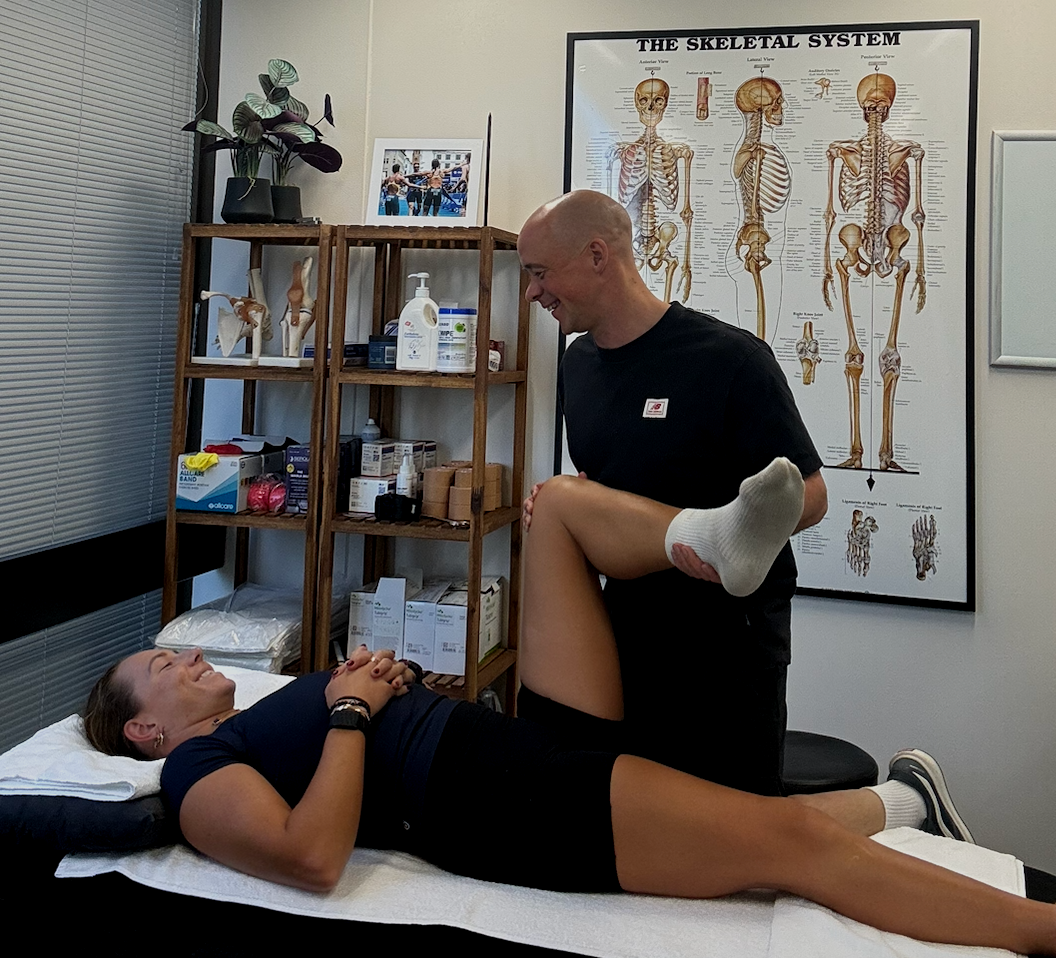
Thorough subjective interview to understand symptom mechanisms, pain behaviour, health contributors and patient goals.
In depth objective assessment to rule in/out pathology, gaining a clear insight into the driver of your symptoms.
Implementation of appropriate manual therapy techniques, rehabilitation programs and daily/training modifications.
Athlete/return to sport assessment
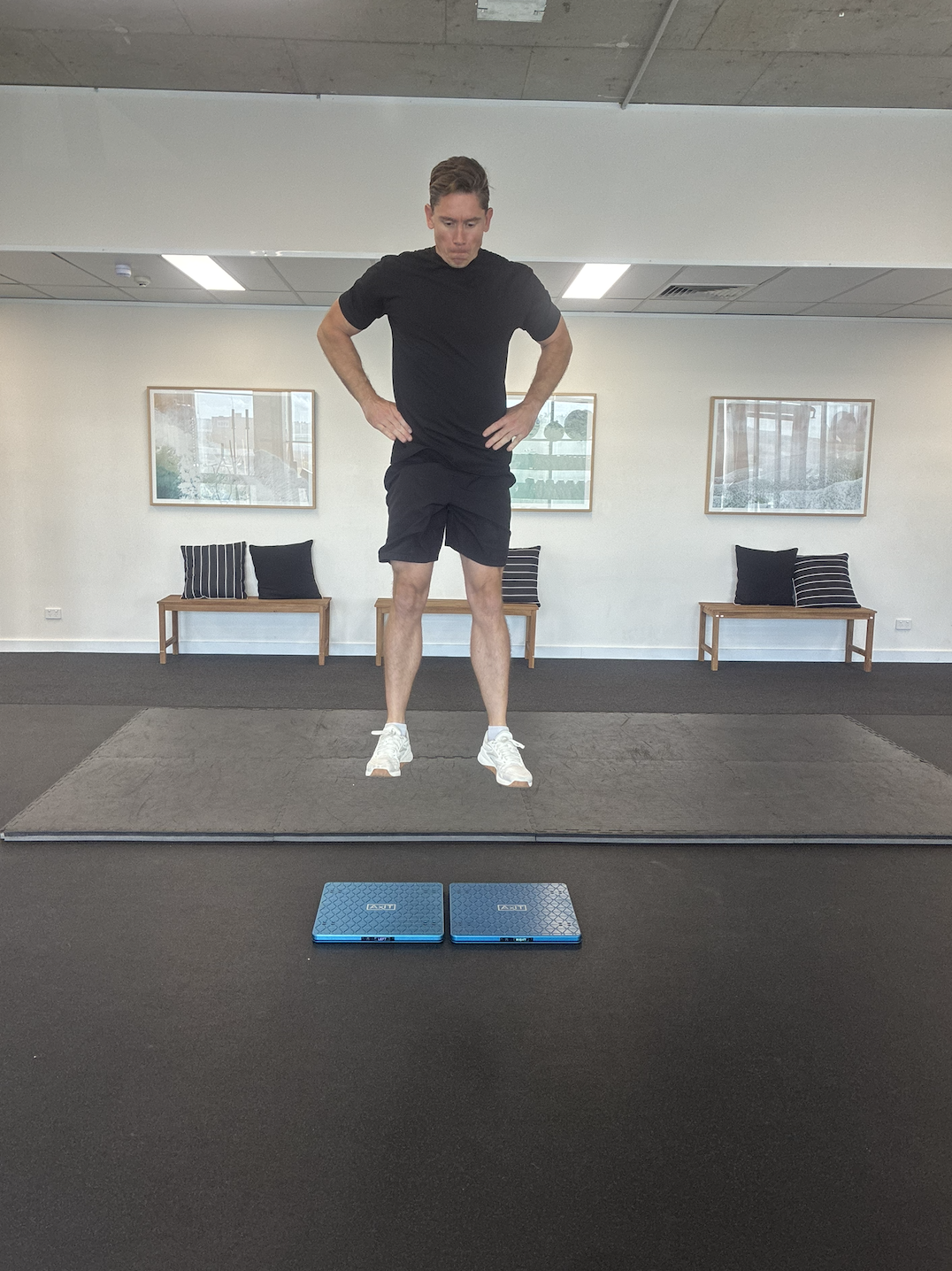
Use of technologies, such as force plates, to best understand your muscle force output. Provides information regarding peak force, rate of force expression, and plyometric abilities.
Key in assessing readiness for sport for injuries such as ACL, shoulder dislocations and tendon/muscle injuries.
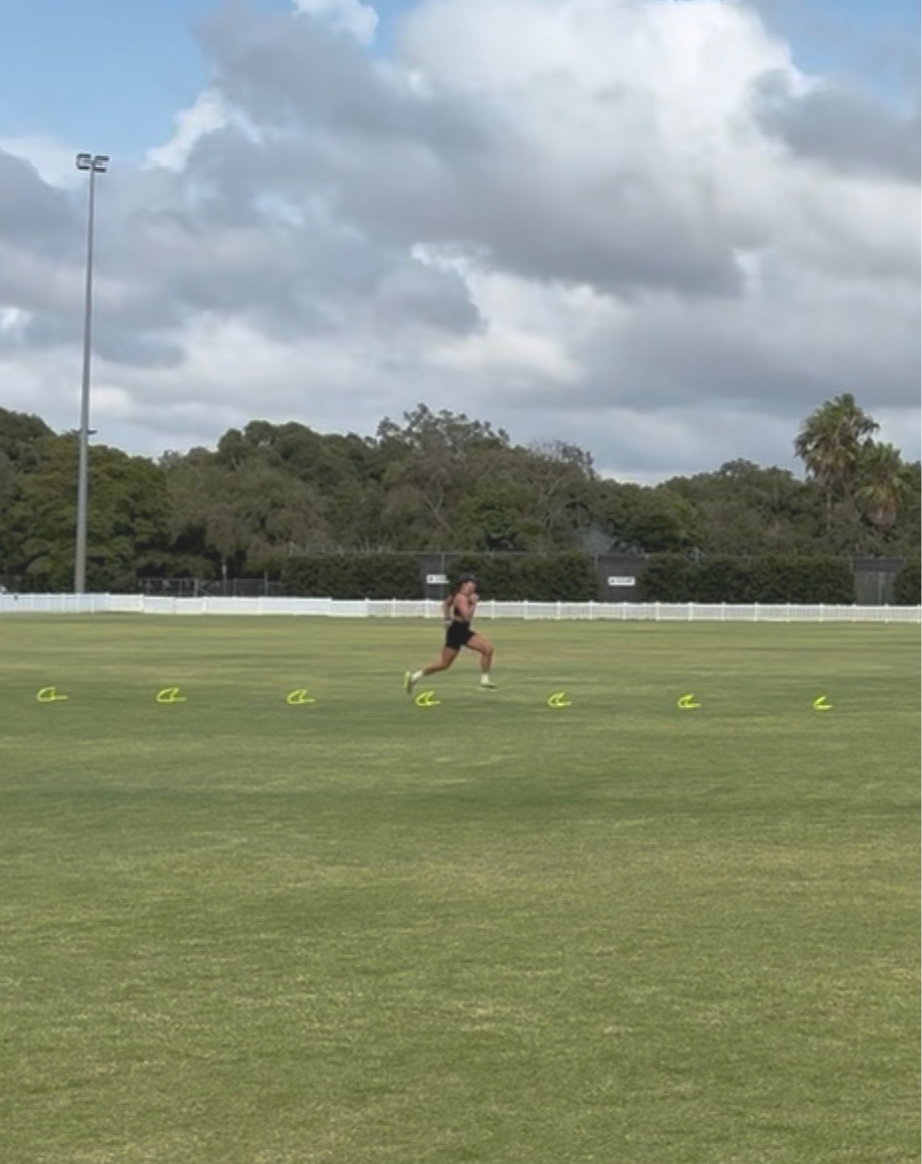
Running Assessment: Gaining insight into your run mechanics and force profile is crucial in understanding and reducing contributors to running related injuries.
Individualised rehab programs
Development of individualised rehab and performance gym programs that consider injury history, force output data and unique sporting demands.
Field sessions: Incorporating run drills and graded speed and change of direction stimulus. This is essential in bridging the gap from clinic to your activity/sporting goals.